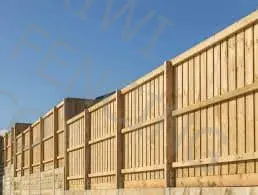
Which Fence is Right for You?

Treated Pine vs Colorsteel

Choosing between a classic timber fence and a modern Colorsteel boundary is the biggest decision in your outdoor project. We break down the costs, lifespan, and maintenance.

The Great Fencing Debate: Wood vs Steel

When securing a residential boundary in New Zealand, the two most popular options are H3.2 Treated Pine and Colorsteel (or Colorbond). Both offer excellent privacy, but they differ vastly in aesthetics, maintenance, and longevity.

Treated Pine Timber Fencing

Pros: Timber provides a classic, natural aesthetic that blends perfectly with Kiwi gardens. It is highly customizable, easy to cut on sloping sections, and generally has a lower upfront material cost.

Cons: Wood requires maintenance. To prevent greying, cracking, and rot, a timber fence should be painted or stained every 3 to 5 years. Over a 20-year lifespan, it may warp or split in extreme summer heat.

Colorsteel / Metal Fencing

Pros: Colorsteel fencing is virtually zero-maintenance. The baked-on finish doesn't require painting, and the steel won't rot, warp, or suffer from termite damage. It offers a sleek, modern, and perfectly uniform look.

Cons: It is usually more expensive upfront than standard pine. If scratched deeply, it can rust (though touch-up paint prevents this). It can also be tricky to install perfectly level on highly undulating or steep terrain without stepping the panels.

Cost Comparison

On average, a standard 1.8m vertical pine paling fence costs between $150 - $200 per lineal metre installed. A Colorsteel fence of the same height typically ranges from $220 - $280 per lineal metre. However, when factoring in the lifetime cost of staining a timber fence, Colorsteel often works out cheaper in the long run.

Need Professional Advice?

Our experts are ready to assist with your specific property requirements. Get a free, no-obligation quote today.

Cost Calculator Contact Us