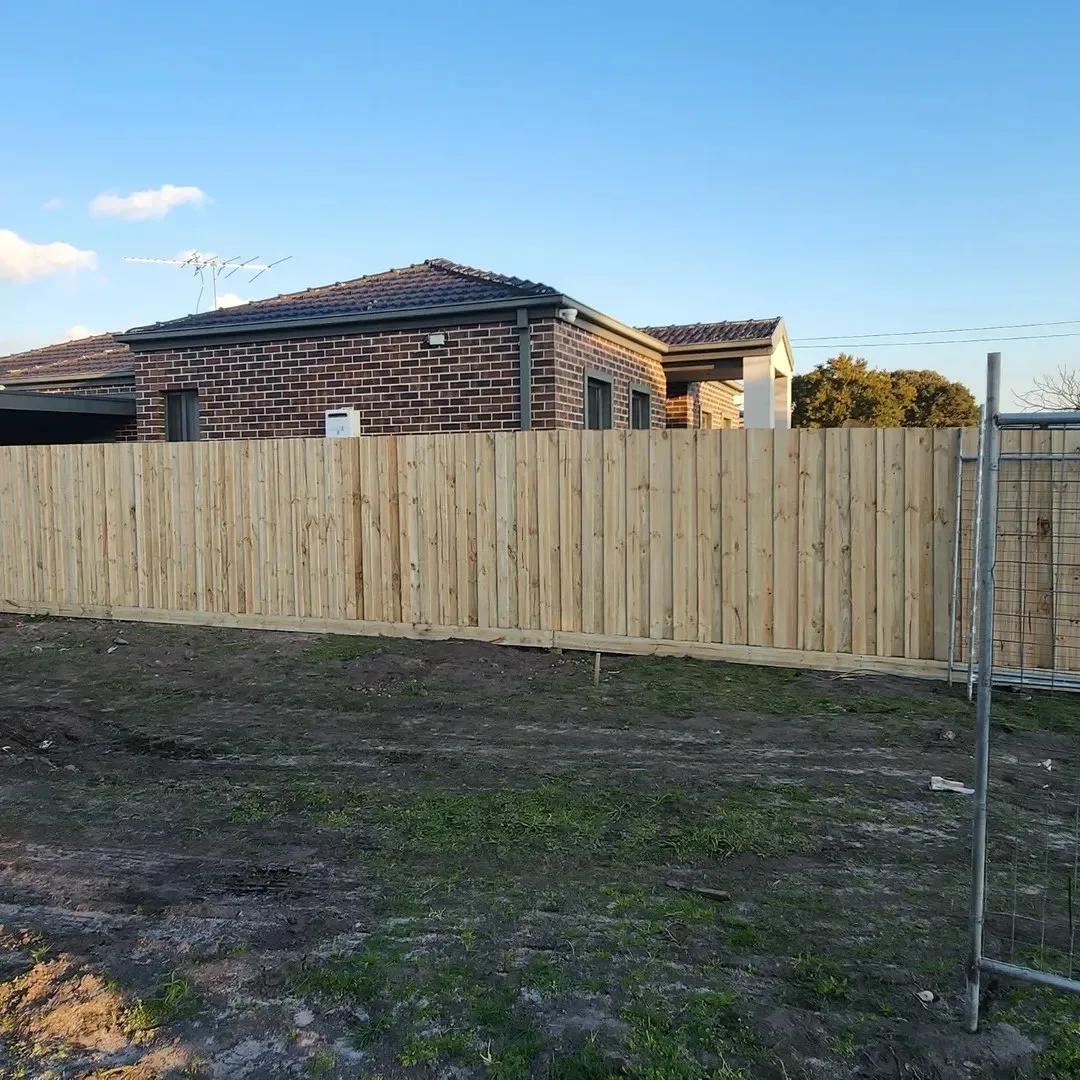
For a specified farm post-and-wire fence, use $45–$140 per metre installed as an initial editorial planning allowance, including GST. Ground preparation, difficult access, gates, demolition and specialist work need separate confirmation.
What does the complete project cost?
Farm fencing budgets depend on the animal, wire system, terrain, line length and the work needed at ends and changes of direction. A simple accessible post-and-wire boundary is different from deer fencing, electric fencing, a waterway exclusion line or a small complicated lifestyle block. Define the containment purpose before comparing a metre rate.
For a specified farm post-and-wire fence, use $45–$140 per metre installed as an initial editorial planning allowance, including GST. Ground preparation, difficult access, gates, demolition and specialist work need separate confirmation.
| Length | Lower allowance | Upper allowance |
|---|---|---|
| 10 m | $450 | $1,400 |
| 20 m | $900 | $2,800 |
| 30 m | $1,350 | $4,200 |
| 50 m | $2,250 | $7,000 |
These arithmetic totals cover only the assumed installed fence run. A gate, demolition, delivery or difficult ground may be additional. Short runs can have higher unit prices because fixed mobilisation is spread across fewer metres.
The specification to put on every quote
A farm post-and-wire quotation should identify the following details before a total is treated as comparable. If a supplier uses a proprietary system, request the name and installation information so future variations remain consistent with it.
| Decision | What to specify |
|---|---|
| Stock | Identify the animals, pressure and management needs |
| Wire system | State wire count, type, netting and any electric components |
| Strainers | Show ends, corners and changes of direction |
| Posts | Specify treatment, spacing and installation method |
| Gates | Include operational access and vehicle requirements |
Strainer assemblies and the length of the run
A tensioned fence relies on the assemblies at ends, corners and changes in direction. These are not interchangeable with ordinary line posts. A long straight boundary can spread those fixed assemblies over many metres; a small subdivided paddock can need several assemblies in a short distance. A quote should identify the layout rather than offering a single wire-count price without a plan.
Netting, plain wires, battens and electric components create different containment systems. The chosen arrangement should reflect the animals and management practice, not simply whichever material is available. Ask how gates, water access and future paddock divisions fit the design. Redoing a strainer location after the line is tensioned can be far more disruptive than deciding the layout correctly at the start.
Terrain, vegetation and water crossings
A straight line on an aerial photograph can cross gullies, drains, steep banks and dense vegetation. Measure the actual fence route and identify places where the line needs specialist treatment or a different alignment. Ground access can change seasonally, and heavy equipment may create damage if used when conditions are unsuitable. Price line clearance and reinstatement explicitly.
Where waterways or drains are involved, determine the relevant land-management and regulatory requirements before construction. Do not use a generic livestock fence detail as evidence of permitted work near a waterway. A fence must also be maintainable: access for inspection, fallen-tree clearance and repairs should be considered without creating a new environmental or safety problem.
Electric components and lifetime reliability
An electric element introduces energiser selection, earthing, power supply, connections and ongoing checking. Those costs cannot be represented by the wire price alone. Where electrical work requires a suitably qualified person, arrange it separately and identify the scope. Make sure users understand the system and that warning or access arrangements are appropriate.
Routine inspection is part of owning a stock boundary. Vegetation, fallen branches, livestock pressure and gate damage can undermine containment long before the wire itself wears out. Keep a plan of the system, identify isolation points where relevant and record replacement components. A slightly simpler layout that can be checked safely may be more practical than a complicated low-cost installation with poor access.
Material-specific delivery and handling
Rural mobilisation may include vehicle access along the line, machinery transport, gates and safe separation from stock. Confirm whether the contractor is supplying all posts and wire or installing owner-supplied materials. Storing components near their installation locations can save handling, provided access and ground protection are agreed.
On a farm post-and-wire project, responsibility for ordering, measurements and damaged components needs to be clear. If the owner supplies materials, confirm that the installer accepts the specification and quantities before placing the order. A rejected or incomplete delivery can delay a crew and leave a temporary boundary problem. Photograph delivered items and retain the product details, but do not assume delivery damage will be resolved automatically after installation.
What the prices in this guide mean
All amounts in this guide are New Zealand dollars. Unless a table states otherwise, installation planning allowances include GST and ordinary materials and labour for the stated specification. They are editorial budgeting allowances, not fixed offers, a survey of every local contractor or a guarantee of what your property will cost. A measured quotation takes precedence over an online range.
Delivery, old-fence removal, difficult ground, specialist design, approvals and gates are shown separately where relevant. Adding a full installation rate to another full labour allowance would count the same work twice. Equally, a supply-only panel price cannot be compared with an installed fence without adding posts, foundations, freight, handling, fixings and labour. Read the inclusions before multiplying a length by a rate.
Worked examples use explicitly stated assumptions to demonstrate the calculation. They are not completed Kiwi Fencing projects and do not imply that materials are available at a particular supplier’s current price. Any contingency is a budgeting reserve, not an automatic contractor charge. If the project changes, recalculate the whole scope and confirm whether the new figures include the same work.
Ground conditions and the part of the fence you cannot see
A fence is supported by its foundations, not by the attractiveness of its cladding. Before excavation, establish the boundary and investigate buried services. Old concrete, rubble, tree roots, disturbed fill and changes in ground level can affect the method and cost of installation. A lawn that looks level does not establish bearing conditions, and a general neighbourhood description cannot replace checking the individual property.
Ask what the quotation assumes about excavation. Rock breaking, removal of old footings, pumping water, disposal of unsuitable spoil and specialist design should be clearly included, excluded or provisionally allowed. Post spacing and footing dimensions depend on the fence system, height, ground and wind exposure. Avoid a universal hole-depth rule: a detail suitable for one low open fence may be inappropriate for a tall solid screen.
Protect existing drainage and keep timber, coatings and panel edges clear of persistent soil contact unless the product is designed for it. Do not use an ordinary boundary fence as a retaining wall. If level changes need soil support, design that support separately and consider the loads from the fence above it. When unexpected conditions appear, stop the affected work and agree the response rather than hiding the problem under the next panel.
Delivery, unloading and access to the boundary
Delivery is not simply the distance from a supplier to the front gate. Panels, long rails, posts and bags of concrete must reach the actual work area without damaging driveways, lawns, paving or neighbouring property. Tell the installer about narrow side paths, stairs, overhead lines, steep drives and restrictions on parking or unloading. A small site can take longer than a larger open property if every item must be carried by hand.
Ask where materials will be stored, who will be present for the delivery and whether the vehicle can turn around safely. Long prefabricated sections need room to manoeuvre. Heavy products may require lifting equipment; lighter components may still need two people to avoid bending or scratching. A second trip caused by an inaccessible drop-off point can cost more than a carefully planned smaller delivery.
Confirm whether delivery, unloading, internal handling, temporary protection and waste removal are included in the fixed price. Where the installer allows a provisional amount, ask what would cause it to change and how approval will be obtained. Never stack materials against an unverified retaining wall or block a shared accessway. Good access planning usually saves money more reliably than choosing a cheaper visible panel.
Stepped, raked and retaining-wall layouts
A stepped layout keeps each panel approximately level and changes height at selected posts. It can suit modular systems, but creates triangular gaps beneath sections on a slope. A raked layout follows the ground gradient where the product permits it. It may reduce bottom gaps, but the permitted angle and connections must be checked before ordering. Neither approach automatically solves the need to contain a small dog or create a compliant pool barrier.
Measure changes in level along the boundary, not only the difference between the two ends. A short dip or crest can determine how several panels meet. Mark gate locations early: a gate leaf needs room to swing without striking rising ground, and a sliding gate needs a suitable track or cantilever arrangement. A flat opening can require a different construction detail from the adjacent raked fence.
Where a retaining wall is involved, confirm who owns it, whether it can accept additional loads and where drainage and waterproofing are located. Attaching posts to an old wall because it is convenient can introduce wind load and leverage that the wall was never designed to resist. Allow for access to the downslope side and for safely moving materials. Price this work from a measured layout rather than a flat-site metre rate.
How to compare quotations without comparing different jobs
Request a written scope rather than choosing between two totals on a phone screen. Each quote should show the same fence length and height, material specification, foundations, gates and finish. Ask whether GST is included, how long the price remains valid and what is required before the construction date can be confirmed. Delivery and demolition should not disappear inside an undefined “installation” allowance.
Separate fixed work from provisional items. An excavation allowance is useful only if the quote explains the assumed conditions and how additional time or equipment would be charged. Ask for approval before variations proceed and keep photographs of the relevant condition. A quote with a realistic allowance may be more dependable than a lower total that excludes every uncertain part of the project.
Agree who arranges boundary confirmation, planning checks and any specialist design. If costs are shared, record the owners’ agreement separately from the installer’s payment terms. Do not assume the contractor will collect a neighbour’s share. Check the proposed deposit, progress payments, handover information and process for correcting defects. The goal is a buildable, clearly described fence at a comprehensible price, rather than the smallest number on the first page.
Maintenance, repair and whole-of-life cost
The lowest initial price is not necessarily the least expensive fence to own. Compare the work required to keep each system performing: coatings, washing, vegetation clearance, gate adjustment and replacement hardware. Include access costs if maintenance requires working above a retaining wall or reaching a difficult boundary. A recurring small task can become expensive when safe access is complicated.
Set a realistic inspection routine and also check the fence after significant impact or severe weather. Look for movement at posts, loose connections, corrosion, damaged finishes, soil building up against components and gate problems. Investigate why damage occurred before replacing the visible part. A new panel fitted to a moving foundation is unlikely to be a lasting repair.
Keep spare product details so future repairs can match colours, profiles and hardware. Ask whether individual components remain available and whether a replacement requires removing adjacent sections. For timber, discuss suitable treatment and coating schedules; for metal or PVC, follow the specific cleaning and repair instructions rather than applying a generic “maintenance-free” promise. Price anticipated maintenance alongside the installation, but treat lifespan figures as conditional expectations, not guaranteed dates.
Worked example: a 20 m farm post-and-wire project
This is an illustrative budget, not a completed project or a fixed quotation. The example assumes the stated fence specification and a confirmed boundary. All line items include GST; a reserve is optional and is not added to the contractor’s bill automatically.
| Item | Calculation or assumption | NZD including GST |
|---|---|---|
| Fence installation | 20 m × $85/m | $1,700 |
| Mobilisation and equipment allowance | Illustrative separate allowance | $700 |
| Vegetation and old-wire clearance | Illustrative separate allowance | $900 |
| Separate farm gate allowance | Illustrative separate allowance | $850 |
| Example subtotal | Before optional owner contingency | $4,150 |
| Optional 10% owner reserve | For budgeting only | $415 |
| Budget including reserve | Example subtotal plus reserve | $4,565 |
A useful quotation may combine some of these line items into a fixed total. If it does, ask which allowances have become firm prices and which conditions could still cause a variation. Do not add a separate delivery or demolition charge to a quote that already includes it. Change the numbers to match your actual specification before comparing alternatives.
Compare the alternatives for the same job
Use the same boundary, finished height, gates and exposure when comparing farm post-and-wire with another system. An alternative that reduces maintenance may change privacy, wind loading, future repairs or the foundation design. Ask what the cheaper proposal omits before treating the difference as a saving.
The national fence cost guide provides a wider comparison, while our best fence materials guide explains the practical trade-offs. If a pool or retaining wall is involved, compare the complete compliant or designed structure rather than substituting an ordinary garden-fence allowance.
A staged project needs its own budget. Allow for end posts, safe temporary access, repeat delivery and the connection between stages. Retaining an unsuitable old section only to reduce the initial invoice can make the final layout more expensive to finish. Agree which elements can remain serviceable and which need to be replaced together.
Frequently asked questions
Why do farm fence prices vary so much?
Wire systems, strainers, stock requirements and access differ. The same length with several corners and gates is not equivalent to a straight accessible run.
Are electric components included?
Only if the quote names them. Check energiser, earthing, power connection, insulators, gates, testing and any qualified electrical work rather than assuming all are covered by a wire rate.
Can I reduce the number of strainers to save money?
Only within an appropriate design. End and corner assemblies carry loads that ordinary posts may not support. Savings should not compromise the tensioning system.
Does the price include GST and freight?
The editorial installation allowances here include GST, but supplier quotations may be presented differently. Freight, unloading and internal handling must be explicitly included or shown as separate amounts; do not assume a supplier’s panel price includes them.
What information helps obtain a useful estimate?
Send the city or suburb, approximate length, desired height, intended use and photos of the boundary and access. Mention existing fences, slopes, gates and any pool or retaining structure. Exact pricing requires a confirmed farm post-and-wire specification and site assessment.
Is the cheapest quote necessarily the best value?
Only comparable scopes can be judged on price. Check the complete support system, exclusions, variation process and repairability. A clear realistic quote can be better value than an attractive rate that omits necessary work.
Sources and further reading
Reviewed on 20 October 2026. Follow current official documents and the selected product’s requirements for the actual property. Worked examples are explicitly illustrative; no completed project or customer endorsement is implied.