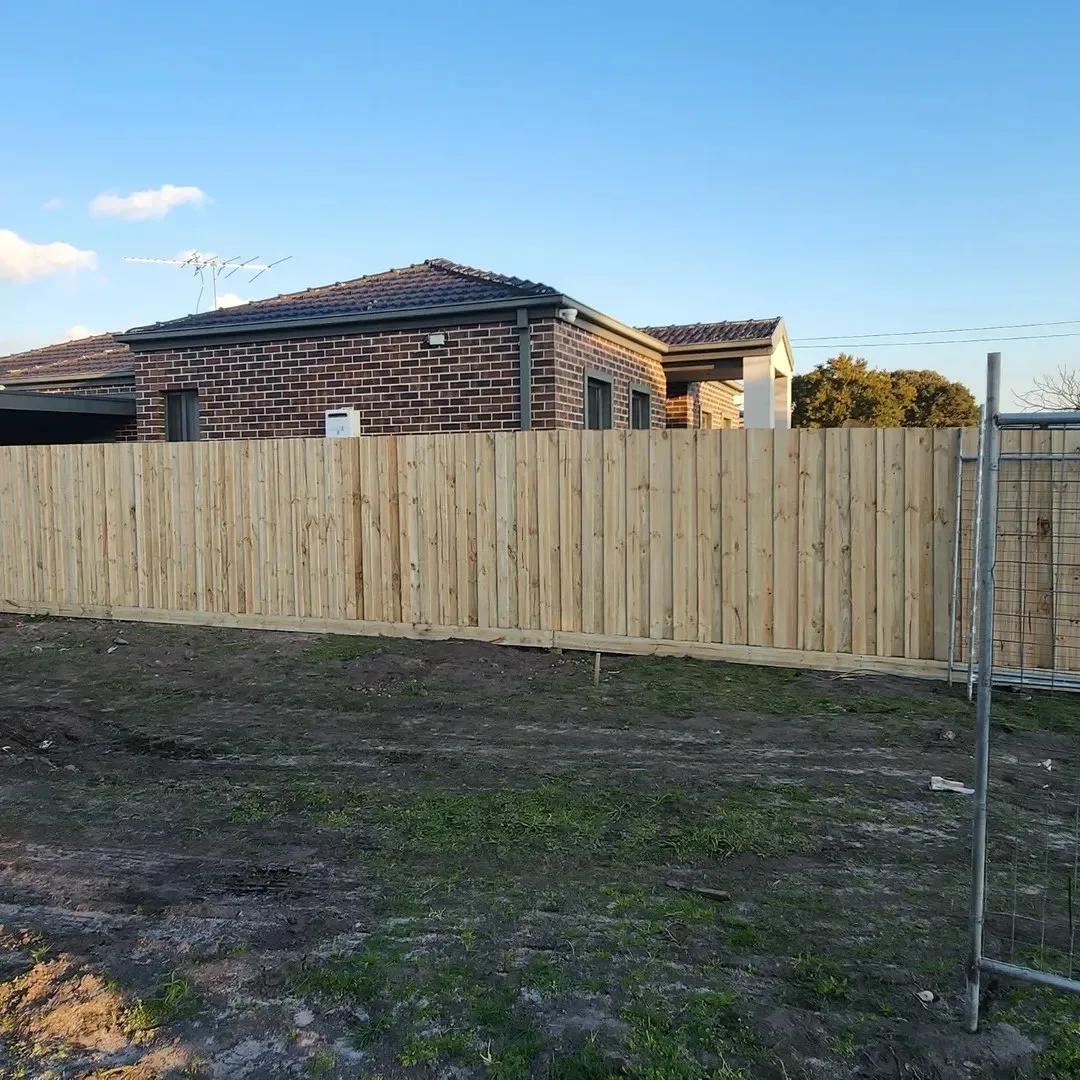
Agree the specification and contributions before construction. The Fencing Act provides a process for contributions to an adequate fence; it does not require a neighbour to fund half of any premium design you choose.
How boundary-fence cost sharing works
In New Zealand, sharing the cost of a boundary fence usually starts with agreeing what fence is needed, obtaining a clear quote and deciding how the bill will be divided. The Fencing Act 1978 provides for equal contributions where adjoining land is not separated by an adequate fence, subject to the Act and any relevant court order. It does not mean your neighbour must pay half of any fence you choose. Fencing Act, section 9.
The practical approach is to agree on the specification and contributions before booking construction. If agreement is not possible and you want to require a contribution, the formal fencing-notice process becomes important.
Does Your Neighbour Have to Pay Half?
The starting point is an adequate fence, rather than the most expensive design either neighbour prefers. An existing fence may still be adequate even if it looks dated. Replacing it for appearance alone does not automatically make the replacement a shared expense.
An agreement, title covenant or particular circumstances can affect contributions. For a rented neighbouring property, approach its owner rather than assuming the residential tenant should pay. Consumer NZ explains these qualifications in its boundary fencing guidance.
Agree on the purpose first: privacy between homes, stock control, security or another practical need. Then compare suitable specifications. For options, see our guide to fence materials in New Zealand.
Agree on the Fence Before Splitting the Quote
A useful conversation covers more than the material. Write down:
- The boundary and length to be fenced.
- Whether the existing fence needs repair or replacement.
- Height, design, finish and which sections are included.
- Removal, disposal, access and protection of nearby gardens.
- The proposed installer, total cost and each person's contribution.
- How any changes will be approved before extra work proceeds.
A photograph and a simple marked-up plan can help both neighbours discuss the same scope. If you are unsure where the legal boundary lies, resolve that question before setting out posts. An existing fence is not conclusive evidence of the boundary.
What if One Neighbour Wants a More Expensive Fence?
Separate the agreed practical specification from optional upgrades. Consumer NZ notes that a neighbour need not contribute more than half the cost of an adequate fence simply because the other person prefers a more elaborate one. Consumer NZ.
The following figures are hypothetical examples, not market prices or a determination of anyone's legal liability:
| Agreed arrangement | Your contribution | Neighbour's contribution |
|---|---|---|
| Both agree to share a $6,000 fence equally | $3,000 | $3,000 |
| A $6,000 specification is agreed; you request an additional $1,500 upgrade at your expense | $4,500 | $3,000 |
| Both expressly agree to share a $7,500 upgraded specification equally | $3,750 | $3,750 |
The second example works only if the parties have agreed to that arrangement. Do not choose a baseline price unilaterally and assume the calculation settles a dispute.
Get an Itemised Quote You Can Both Understand
Ask for a quote that separates the fence itself from work that may need a different agreement. Useful line items include demolition, disposal, posts, rails, cladding, labour, gates, difficult excavation and any retaining work.
Check whether GST is included and whether the price assumes easy access or level ground. A low metre rate can be misleading if it excludes removal or essential groundwork. Our fence cost guide explains the main budgeting variables.
Before accepting, ask the contractor how invoices, deposits and changes would be handled. Your agreement with your neighbour and your contract with the installer should make clear who is paying whom. Do not assume the installer will collect the neighbour's contribution for you.
When Do You Need a Fencing Notice?
If you want to compel a contribution under the Act, section 10 requires a fencing notice in the prescribed form or to the same effect. It must identify the boundary and describe the proposed work and materials sufficiently clearly, explain the consequences of not responding, and specify the proposed shares if they are unequal. Fencing Act, section 10.
A contractor's quote helps describe the work, but is not automatically a valid notice. Use the statutory form and check its requirements rather than treating a casual message as a substitute.
Service matters too. Section 12 provides for personal delivery or a registered letter, with further provisions for particular circumstances. Keep the notice and evidence of service. Do not assume an ordinary email or WhatsApp exchange meets the formal service requirements. Fencing Act, section 12.
How Long Does Your Neighbour Have to Respond?
A person receiving a fencing notice can serve a cross-notice objecting to the proposals within 21 days after service. They can also make counter-proposals. Section 11 provides that failure to serve a cross-notice in that period is deemed agreement to the proposals. This depends on a valid notice being properly served, not simply on a neighbour failing to answer an informal conversation. Fencing Act, section 11.
Do not treat the 21 days as 21 working days or start counting automatically from when you wrote the notice. Keep an accurate record of service and obtain advice if the deadline is disputed.
Can You Start Work Before Agreement?
Starting too early can affect your ability to recover a contribution. Section 10 limits liability for work done before proper notice, during the applicable notice period and while differences remain unresolved, unless an agreement or relevant exception applies. Fencing Act, section 10.
Section 14 deals with proceeding after the response period or after differences have been resolved, and includes further timing rules. Do not leave an old notice unused indefinitely and assume it remains effective. Fencing Act, section 14.
What if Your Neighbour Disagrees?
Identify the actual disagreement: whether replacement is necessary, the price, the boundary, the specification or the proposed contribution. A second quote or a repair option may resolve a practical disagreement without escalating it.
Keep photographs, quotes, notices and correspondence. If a valid cross-notice has been served, resolve the differences before relying on a right to recover construction costs. Mediation or an appropriate legal forum may be needed if discussion fails. Gisborne District Council's fencing guidance.
Questions to Settle Before Booking
Does agreeing to pay mean the fence meets council rules?
No. Cost-sharing and permission to build are separate checks. Confirm the rules for your actual property, particularly for front boundaries, pools or retaining work. Our fence consent guide explains the distinction; check current requirements with your council.
Can I build the fence first and send half the invoice later?
Do not rely on that approach. Without the required prior agreement or statutory process, a contribution may not be recoverable. Get the arrangements clear before work begins.
What about urgent damage or a fence damaged by one party?
Urgent work, responsibility for damage and pool-related requirements can involve different provisions. Do not assume the ordinary example of equal sharing settles those situations. Get advice on the circumstances before committing to major costs.
Define the fence before comparing prices
A price per metre is meaningful only when it describes the same completed fence. Write the length, finished height, layout, material system and gate requirements at the top of each quotation. A short return, a large corner post and a gate opening do not behave like another metre of a straight run. Record them separately so a low headline rate cannot conceal a different scope.
Ask whether the height is measured from the lower or higher side where ground levels differ, and whether the quoted finish includes caps, trims, coatings and fixings. A photograph of the desired appearance helps, but it cannot specify footing size, structural capacity or a corrosion environment. Those decisions need the actual site and the selected manufacturer’s installation information.
For a replacement, state whether the old posts and concrete are being removed or left below a safe finished level. Compare repair as well as replacement where the existing structure is serviceable. An installer can explain the construction; a dispute over the legal boundary needs a separate resolution. Keep an agreed scope with the quote so later changes can be priced before they are carried out.
Measure the project as a layout, not a single length
Sketch the boundary as connected sections. Record each straight length, direction change, gate and level change, and label which side is accessible. Note whether the line shown is a confirmed legal boundary or simply the position of the existing fence. Your initial measurements help an installer prepare, but should not be used to order exact prefabricated panels until the site has been checked.
Measure the opening width a gate actually needs, including posts and hardware. A vehicle entrance may require different clearance from a pedestrian gate. Include bins, a wheelbarrow, garden equipment and future access in that decision. Where there is a shared driveway, discuss how the installation will preserve access and which owner can authorise changes.
Photograph the ground, existing posts, difficult corners and the route from the street to the fence. Add information about dogs, children, a pool or a livestock boundary because those uses influence gaps and detailing. Do not publish precise private addresses in project photographs. A concise plan with useful photographs often produces a better preliminary discussion than an apparently exact metre figure with no explanation of conditions.
How to compare quotations without comparing different jobs
Request a written scope rather than choosing between two totals on a phone screen. Each quote should show the same fence length and height, material specification, foundations, gates and finish. Ask whether GST is included, how long the price remains valid and what is required before the construction date can be confirmed. Delivery and demolition should not disappear inside an undefined “installation” allowance.
Separate fixed work from provisional items. An excavation allowance is useful only if the quote explains the assumed conditions and how additional time or equipment would be charged. Ask for approval before variations proceed and keep photographs of the relevant condition. A quote with a realistic allowance may be more dependable than a lower total that excludes every uncertain part of the project.
Agree who arranges boundary confirmation, planning checks and any specialist design. If costs are shared, record the owners’ agreement separately from the installer’s payment terms. Do not assume the contractor will collect a neighbour’s share. Check the proposed deposit, progress payments, handover information and process for correcting defects. The goal is a buildable, clearly described fence at a comprehensible price, rather than the smallest number on the first page.
What happens during a properly planned installation
The first stage is set-out: confirm the agreed boundary, ends, corners, gates and finished levels before excavation. Record the existing condition of nearby surfaces and discuss access with everyone affected. Identify services and any restrictions on working hours or shared driveways. Delivery should follow the plan rather than arrive before there is a safe place to unload.
Excavation and post installation establish the geometry. The installer checks alignment and levels before fixing rails, panels or infill. Concrete and other foundations need appropriate curing or installation conditions; the calendar cannot be determined by fence length alone. Gates are adjusted after the surrounding structure is ready, with attention to hinges, latches, clearances and the way the ground drains beneath the opening.
At handover, walk the entire boundary with the installer. Check loose components, sharp edges, damaged coatings and unfinished ground. Operate gates several times and ask how seasonal movement or routine adjustment should be handled. Obtain product and maintenance information and the final scope of any guarantee. For pool barriers, a practical handover is additional to the required consent or inspection process, not a replacement for it.
Where to save money without removing essential work
Begin with the actual purpose of the fence. A long private side boundary may need a simple repetitive layout, while the street frontage needs a more carefully finished entrance. Using a premium finish selectively can save more than reducing post quality across the whole job. Keep gate positions and corners deliberate: repeated short sections and unnecessary custom cuts increase labour without necessarily improving function.
Prepare access and decide the design before the crew arrives. Remove only the vegetation and obstacles that you are authorised and able to remove safely; do not disturb protected trees, services or uncertain boundary markers. Consolidate deliveries where storage allows. If timing is flexible, ask the installer about a practical programme, but do not assume an off-season discount or agree to unsuitable ground conditions merely to meet a price.
Avoid savings that move risk below ground or into missing scope. Undersized foundations, incompatible fixings, omitted drainage and incorrect timber treatment can cost far more to rectify than the initial difference. A sensible phased project has safe temporary boundaries and clearly planned connections between stages. Decide what can be deferred, price the return visit and record responsibility for the unfinished sections.
What the prices in this guide mean
All amounts in this guide are New Zealand dollars. Unless a table states otherwise, installation planning allowances include GST and ordinary materials and labour for the stated specification. They are editorial budgeting allowances, not fixed offers, a survey of every local contractor or a guarantee of what your property will cost. A measured quotation takes precedence over an online range.
Delivery, old-fence removal, difficult ground, specialist design, approvals and gates are shown separately where relevant. Adding a full installation rate to another full labour allowance would count the same work twice. Equally, a supply-only panel price cannot be compared with an installed fence without adding posts, foundations, freight, handling, fixings and labour. Read the inclusions before multiplying a length by a rate.
Worked examples use explicitly stated assumptions to demonstrate the calculation. They are not completed Kiwi Fencing projects and do not imply that materials are available at a particular supplier’s current price. Any contingency is a budgeting reserve, not an automatic contractor charge. If the project changes, recalculate the whole scope and confirm whether the new figures include the same work.
Need a Quote to Discuss With Your Neighbour?
Send Kiwi Fencing Co your suburb, approximate fence length and photographs of the existing boundary. Mention whether you are comparing repair with replacement and whether both neighbours have agreed on a preferred specification.
For fencing enquiries in Auckland, Hamilton, Wellington, Christchurch or Tauranga, request a quote or call 027 239 8824.
This guide provides general information, not legal advice for a particular dispute. Check the current Act and obtain independent advice if liability, service or the boundary is contested.
Sources and further reading
- Fencing Act, section 9: contributions
- Fencing Act, section 10: notice before work
- Fencing Act, section 12: service
- Fencing Act, section 11: objections
- Consumer NZ: boundary fencing rights
Reviewed on 20 October 2026. Follow current official documents and the selected product’s requirements for the actual property. Worked examples are explicitly illustrative; no completed project or customer endorsement is implied.